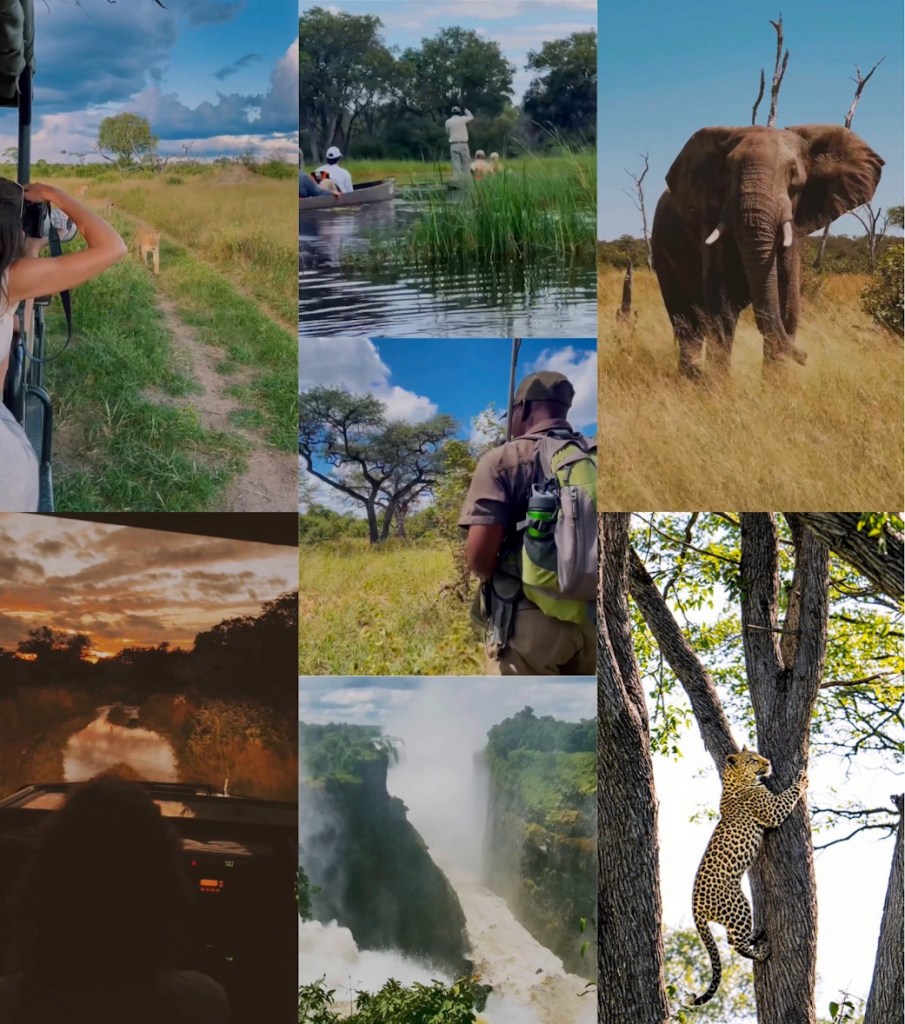
In 2019, I wrote an initial travel itinerary for Botswana, which I’m excited to expand upon and share. Drawing on insights from speaking with French American wildlife photographer Rachel Rebibo, this updated guide offers a vivid exploration of Botswana’s extraordinary landscapes and diverse cultural offerings.

Botswana is a country of breathtaking natural beauty and abundant wildlife that captivates adventurers from around the globe. With its vast, pristine national parks and rich cultural heritage, Botswana promises an unforgettable journey into the heart of Africa. The official language is Setswana, spoken by over 4 million people in southern Africa, though English is also widely used.

Beyond its majestic landscapes, Botswana’s cuisine tells a captivating story of cultural fusion and age-old traditions. Visitors can look forward to discovering the country’s vibrant flavors during their travels.
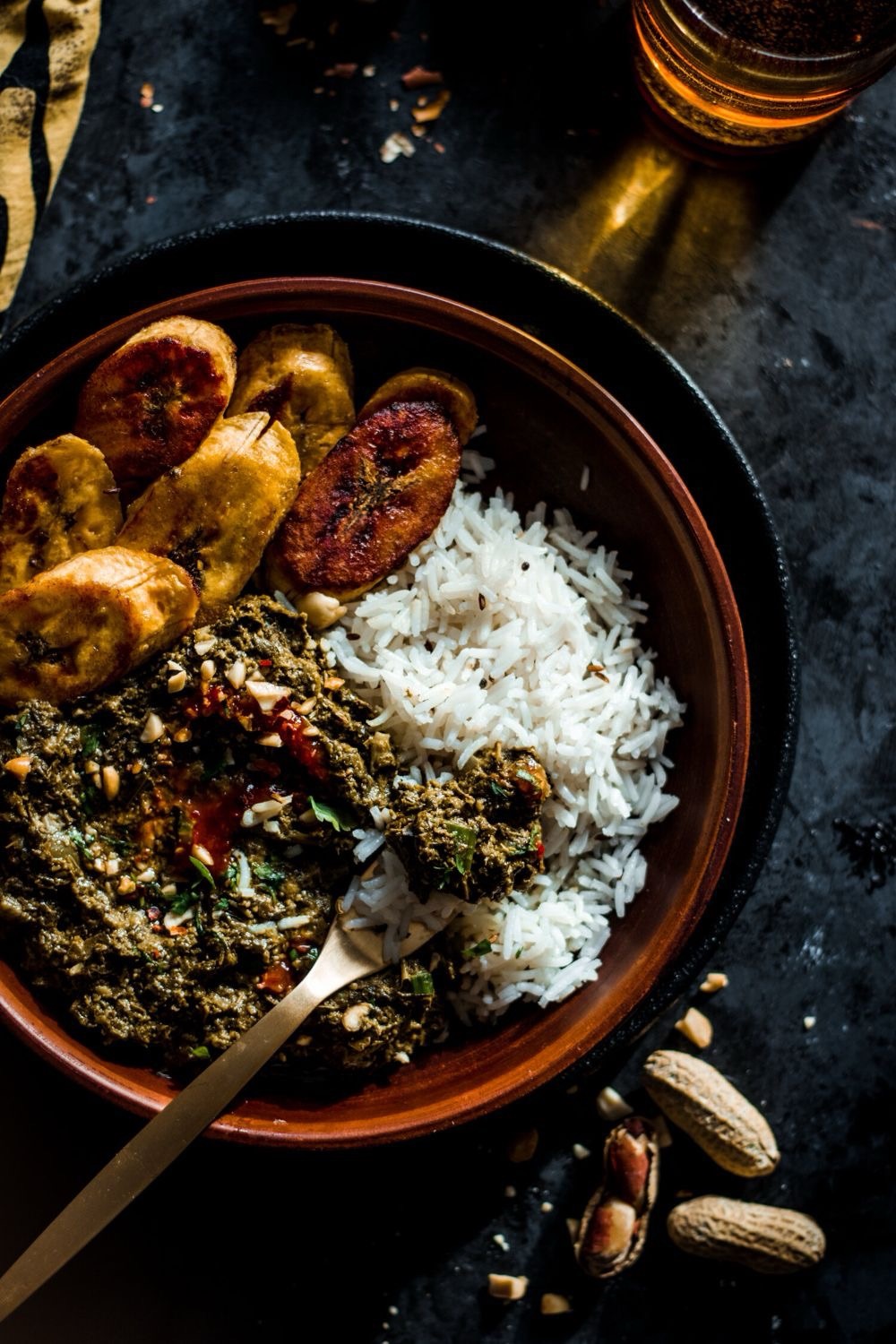
The cuisine is heavily centered around meat, particularly game. However, there are still some plant-based and vegan dishes. Below are some of the most famous and beloved meals.
- Seswaa, the national dish, is typically prepared in a three-legged cast iron pot over a sweltering flame, resulting in a comforting stew with tender pieces of meat, served with onions and spices.
- Menoto, or chicken feet, is a common street food seasoned, spiced, and usually roasted over a barbecue.
- Morogo, or moroho, is a staple vegetarian dish made from wild greens, such as cowpea leaves or pumpkin leaves.
- Mapakiwa is a hybrid of a scone and a bun with a brioche roll texture once baked. People often serve Mapakiwa brushed with a delicious butter glaze and jam as a teatime dessert.
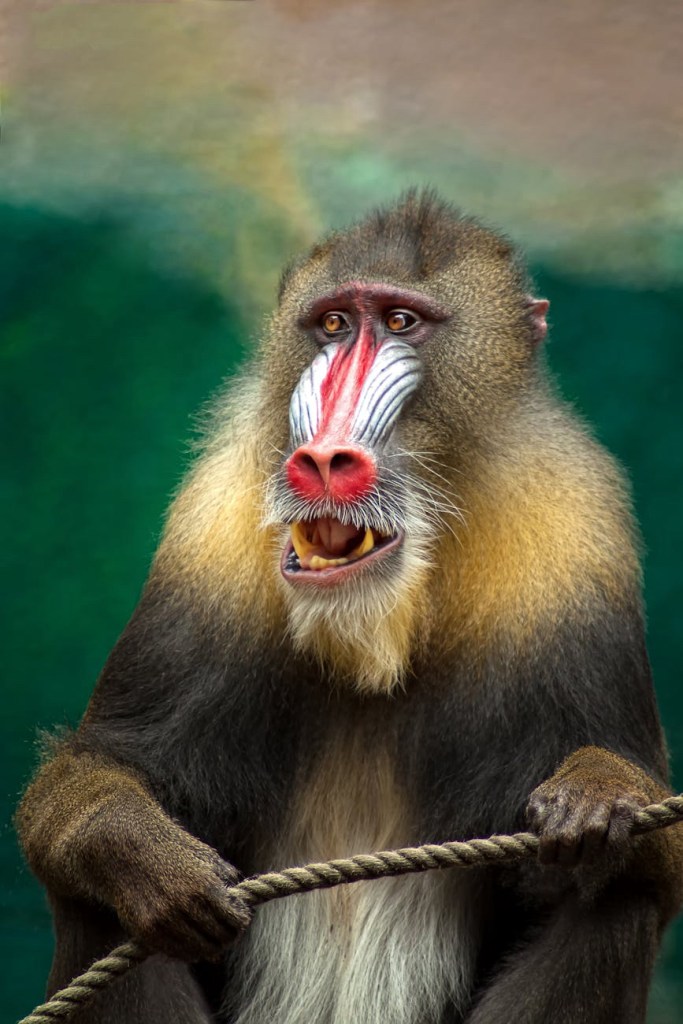
The best months to visit in terms of weather and wildlife viewing are May and September, though the end of April or early May can also be an excellent time to travel, with fewer crowds.
Booking in advance, joining group tours, and exploring during the off-season can make for a more budget-friendly trip. Supporting local businesses, communities, and conservation initiatives through your tourism dollars is not only more cost-effective, but also aligns with a more authentic, natural experience.
Day 1: Arrive in Gaborone, the capital city
- Immerse yourself in the city’s bustling daily life by exploring local markets like the Gaborone Main Mall Market and interacting with locals.
- Visit the National Museum and Art Gallery to delve into Botswana’s rich history, culture, and artistic heritage.
Day 2-3: Journey to D’Kar Village in the Ghanzi District
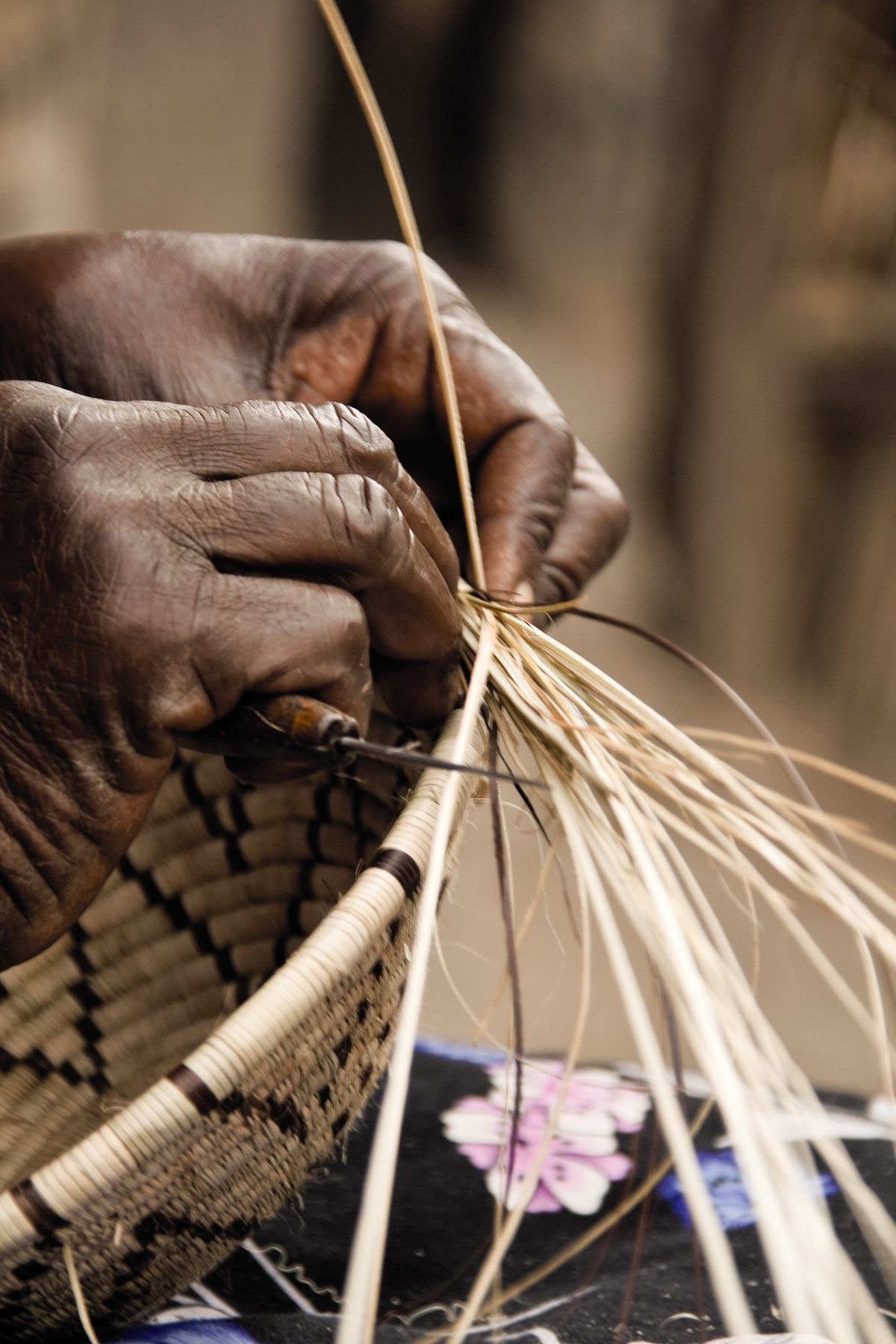
- Spend a couple of days engaging with the San (Basarwa or Bushmen) community, learning about their hunter-gatherer traditions through activities like animal tracking, storytelling, and creating traditional crafts.
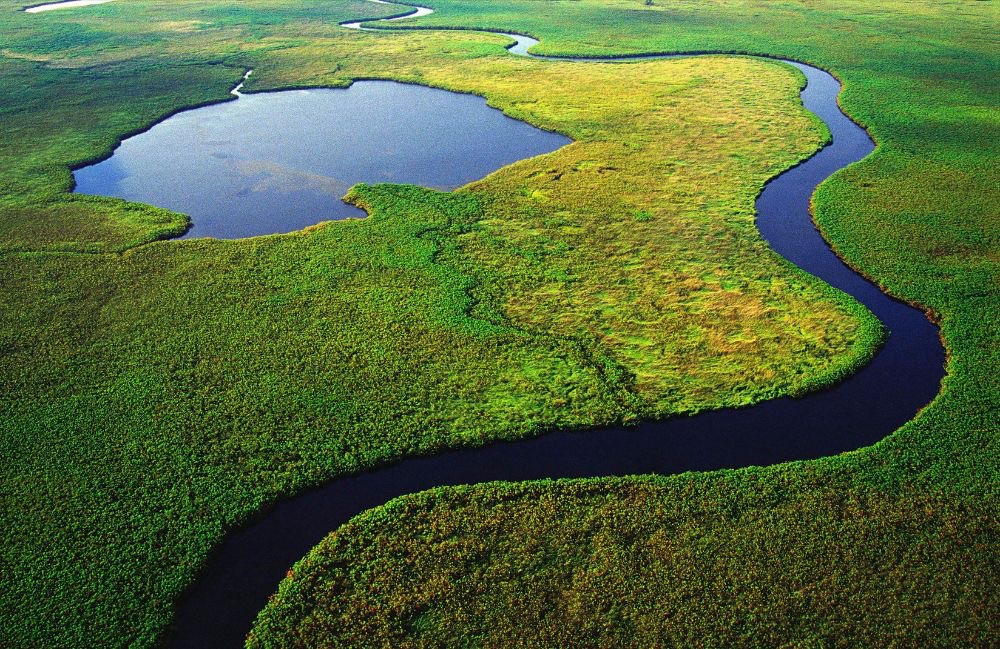
Day 4-6: Fly or drive to Maun, the gateway to the Okavango Delta
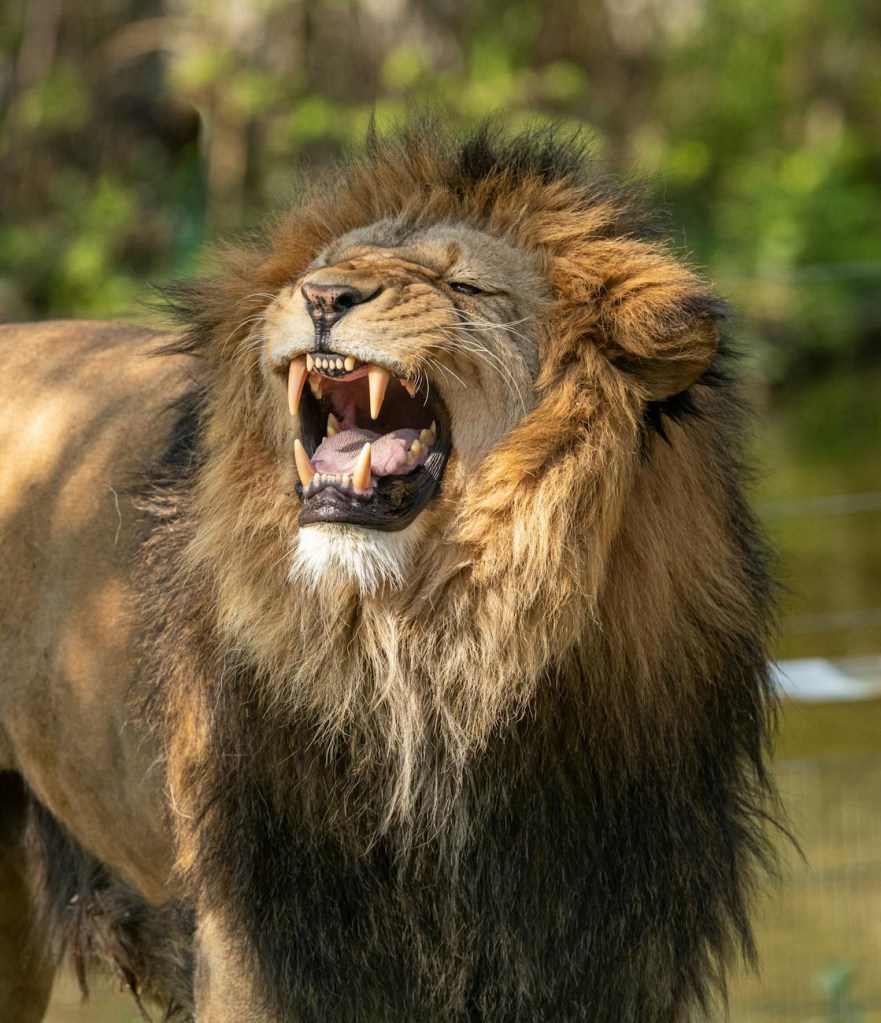
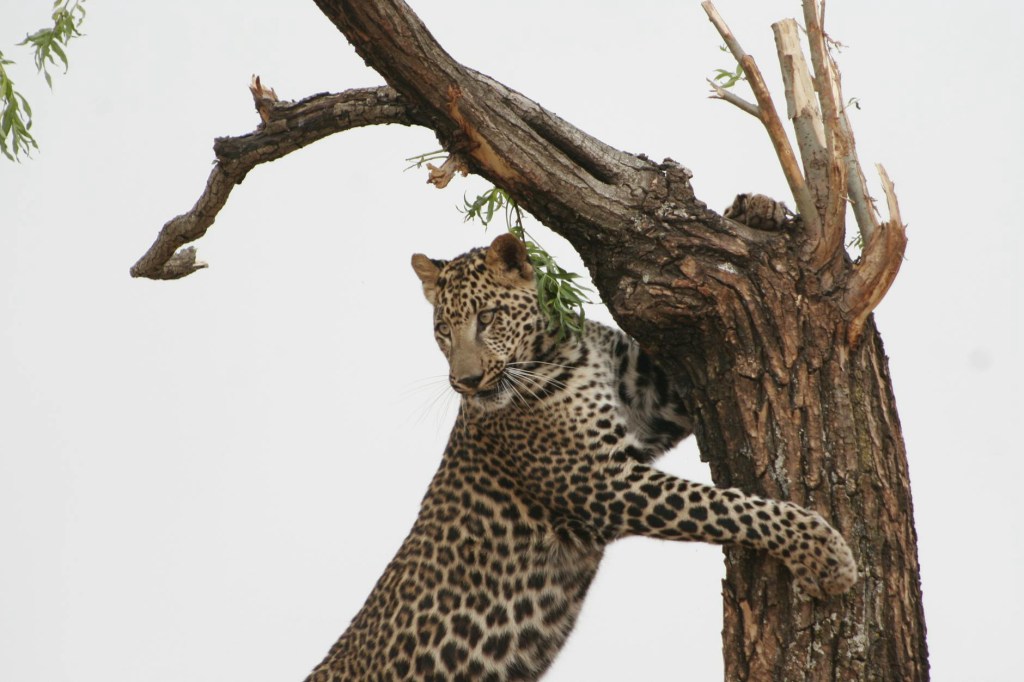
- Embark on a thrilling safari adventure in the pristine Moremi Game Reserve, known for its diverse wildlife, including lions, elephants, and hippos.
- Arrange a scenic flight over the Okavango Delta, Moremi Game Reserve, and other nearby areas to enjoy breathtaking bird’s-eye views of the intricate waterways, lush islands, and roaming wildlife. Local air charter companies and safari lodges can provide these unique flight experiences.
- Visit Xai-Xai Village near the Tuli Block to immerse yourself in the traditional BaTswana way of life, participating in cultural activities, dance, and learning about their customs and cuisine.
Day 7-9: Discover the Okavango Delta’s UNESCO World Heritage wonders
- Stay at a community-run camp or lodge in the delta, exploring the waterways by traditional mokoro canoe, going on guided nature walks, and learning about the local flora and fauna.
- Experience the exclusive Khwai Community Concession, a private area near the delta offering game drives, guided walks, and night drives, while supporting local conservation initiatives.
- Travel to Shakawe Village in the Okavango Panhandle to engage with the Bayei people, learn about their fishing traditions, and explore the cultural heritage of the region.

Day 10-12: Head to Chobe National Park
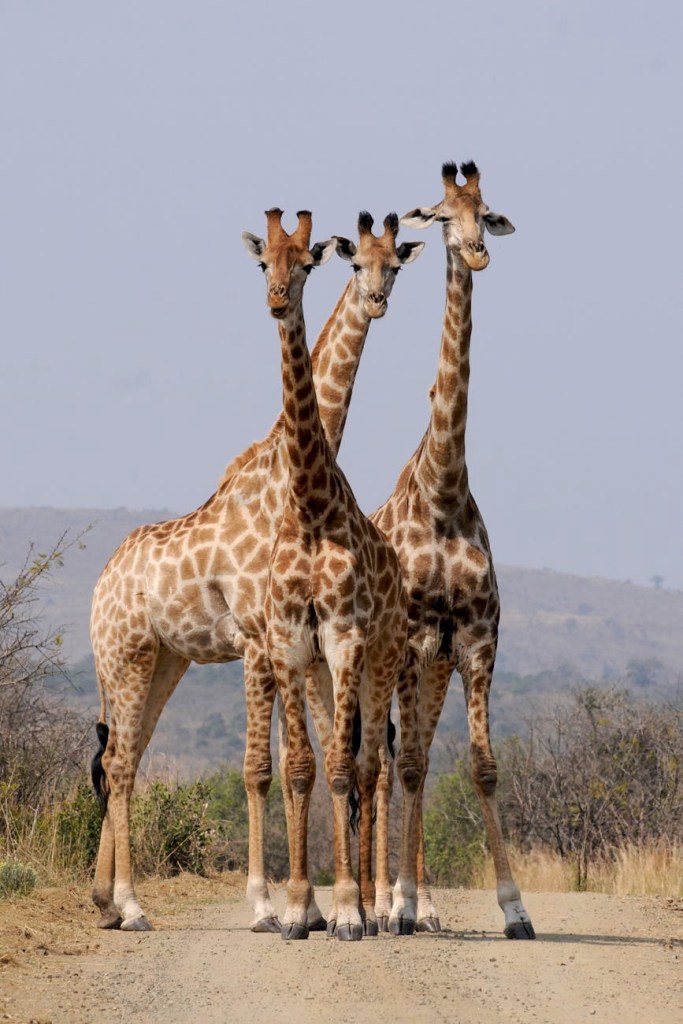
- Witness Chobe’s abundant wildlife, including large herds of elephants, buffalo, and diverse bird species, during game drives and boat cruises along the Chobe River.
- Stay at the Belmond Savute Elephant Lodge, where you can observe the dramatic interplay of nature as elephants wander the camp in the evenings.
- Visit the nearby town of Kasane to interact with the local community, explore markets, sample traditional cuisine, and gain insights into the region’s unique cultural aspects.

Day 13-14: Explore the Makgadikgadi Pans and Nxai Pan National Park
- Experience the vast expanse of the salt pans, go on guided walks to spot desert-adapted wildlife, and learn about local conservation efforts.
- Engage with the communities near the pans, such as Nata Village, to gain a deeper understanding of their way of life.

Day 15: Depart Botswana
- Depart with a wealth of unforgettable memories from your immersive, non-touristy journey through Botswana.

This itinerary was thoughtfully curated, to offer a wonderful blend of cultural immersion, wildlife encounters, and breathtaking landscapes.
While embracing spontaneity is ideal, it’s also wise to book in advance to ensure you obtain the necessary permits and secure comfortable accommodations for your desired activities.
 Emily Elizabeth